







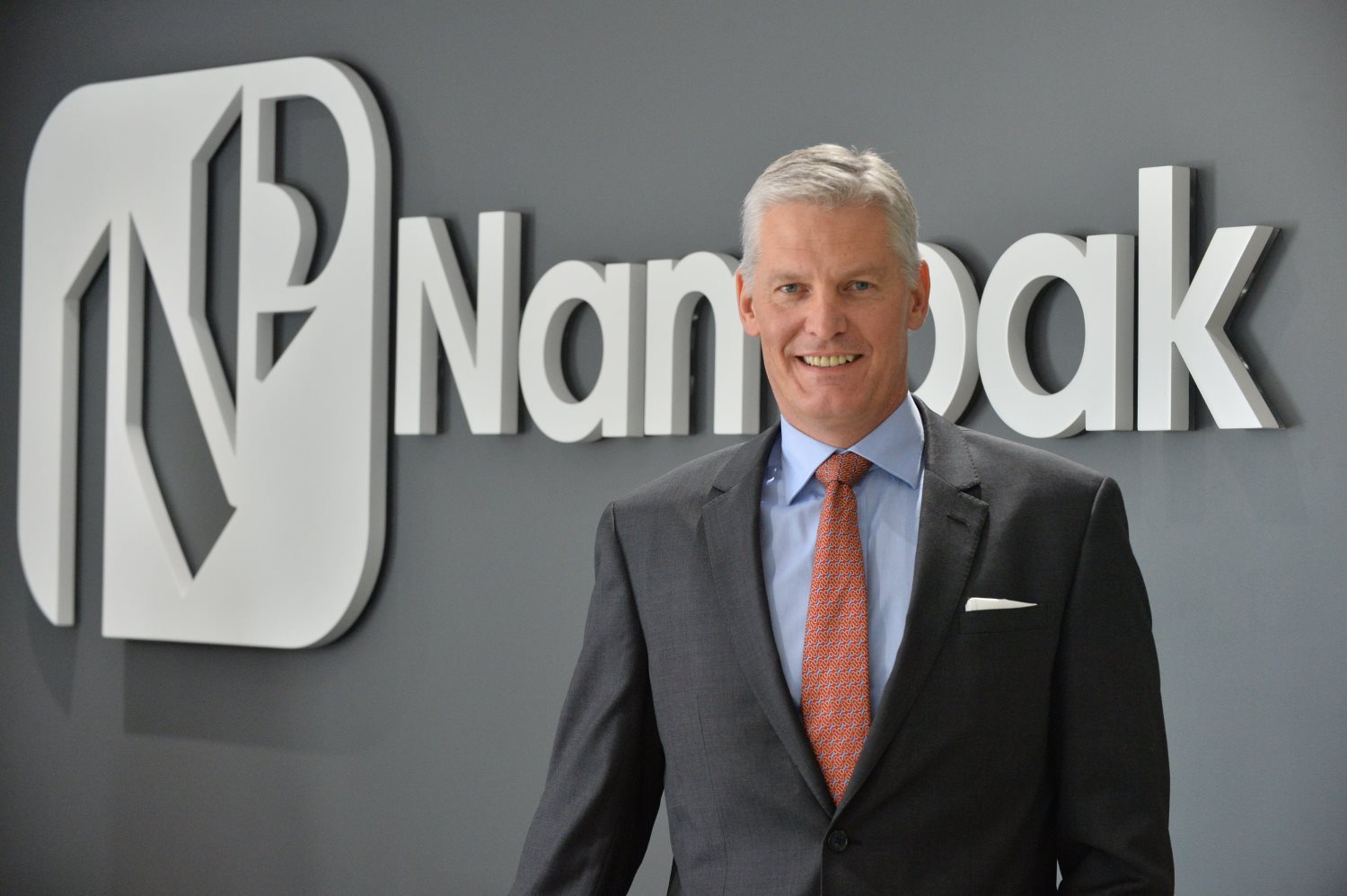
 In June 2016, Nampak reported a solid 21 percent increase in adjusted headline earnings per share for the six months to March 2016, before foreign currency translation effects.
After taking into account a R114 million foreign exchange rate translation loss, HEPS increased by four percent. Trading performance significantly improved over the previous half-year, with group trading profit increasing by 17 percent.
Packaging sales benefitted from import replacement due to a weaker rand, new contractual volumes and increased beverage consumption – as a result of a hotter-than-usual summer in South Africa.
The pan-African packaging manufacturer’s chief executive, André de Ruyter, is particularly pleased with the turnaround in Nampak’s glass division in the past six months. The operation is now running well and delivering a profit of R44 million for the half year.
‘We are focused on restoring manufacturing excellence as the core focus of our business through operational excellence and improved asset utilisation, across all of our operations. We have invested some R13.5 billion in new assets between 2011 and 2015, and we have a great opportunity to extract operating leverage from these assets by running them at world-class rates,’ he says.
Improvements in procurement and supply chain efficiency are expected to deliver R120 million in savings for the year.
Nampak’s plastics business increased trading profit by 20 percent on increased revenues and good cost control, while the paper business increased trading profit by 34 percent.
H3 Navigating future challenges
De Ruyter notes the sustained period of capital investment and acquisitions from 2011 to 2016 resulted in gross gearing that peaked at 91 percent in 2015. However, bold steps have been taken to bolster the balance sheet. The Nampak board approved the sale and leaseback of 16 South African properties worth R1.7 billion, which is awaiting approval by competition authorities. Additionally, in view of liquidity constraints in Angola and Nigeria, the company has decided not to declare an interim ordinary dividend, and in the half-year review curbed capital expenditure for the year with new projects approved by exception.
Strong general cost containment measures have been put in place throughout the organisation with savings expected for the financial year 2016. Improvements at Nampak’s aluminium beverage can lines in Springs have allowed the company to commence consultations on the shutdown of its tinplate line in Durban.
These interventions will put the business in a strong position in preparation for what it expects to be a challenging second half for the South African consumer industry. ‘We have some tough macroeconomic conditions to contend with, and these interventions will enable us to better navigate the challenges that lie ahead,’ according to De Ruyter.
Africa remains Nampak’s growth engine, with trading profit from the rest of Africa coming in at R462 million, up 45 percent on the previous reporting period. The region now contributes 47 percent of group trading profit, up from 38 percent in 2015. Nampak’s rest of African operations remain profitable and trading margins remain attractive, even after adjusting for the impacts of foreign exchange movements.
Nampak’s recently agreed supply agreement with Refriango in Angola is expected to offset contraction in demand due to constrained consumer spending. The company grew beverage can market share and absolute volumes in Nigeria.
The medium-term outlook for packaging in South Africa and other key African markets remains favourable, underpinned by some 900 million emerging consumers in sub-Saharan Africa.


